
Fall Training Reset: The Best Skills to Focus on This Season

Quick Answer: What Are the Best Fall Training Skills for My Dog?
The best fall training skills to focus on include improving leash manners for crisp-weather walks and hikes, solidifying your dog’s recall before visiting pumpkin patches and fall festivals, and working on impulse control around squirrels and other wildlife. A structured fall training reset also sets your dog up for success before the chaos of holiday guests, travel, and schedule changes. By using this season intentionally, you can build better habits, strengthen your bond, and help your dog head into winter calmer and more responsive.

Why Fall Is Ideal for a Training Reset
Fall offers a sweet spot between summer heat and winter chill, giving dogs and humans more comfortable conditions for consistent training. Cooler temperatures reduce the risk of overheating on walks and hikes, and the seasonal changes create natural training challenges like new smells, sounds, and distractions.
For many families, fall is also a transition period before the holidays. That makes it the perfect time to put structure back in place after summer’s looser routines. Working with a professional trainer or following a clear plan can help your dog relearn boundaries, tune up obedience skills, and build better focus before life gets busy again.
Improving Leash Manners for Fall Hikes
One of the biggest fall goals for many pet parents is better leash walking. With more opportunities for scenic walks and hikes, solid leash manners mean you can enjoy the season instead of being dragged down the trail.
Key leash skills to prioritize in your fall training reset:
Loose leash walking: Teach your dog that walking near you with a slack leash is what earns forward motion. The moment they pull, stop or change direction; when the leash relaxes, move forward again. Consistency is crucial—every step is a lesson.
Attention around distractions: Falling leaves, joggers, kids with backpacks, and other dogs can all pull your dog’s focus away. Practice in lower-distraction areas first, rewarding your dog for checking in with you. Gradually work up to busier trails or parks once they’re reliably offering eye contact and staying engaged.
Start and stop cues: Use predictable cues like “let’s go” to start walking and “wait” or “whoa” to pause at crossings, trailheads, or when others pass by. This helps your dog anticipate what you want and prevents impulsive lunging or rushing.
For reactive or highly excited dogs, fall is a great time to get individualized help. Structured leash training with a professional can make outdoor adventures safer and more enjoyable for everyone.
Solidifying Recall for Pumpkin Patches and Fall Festivals
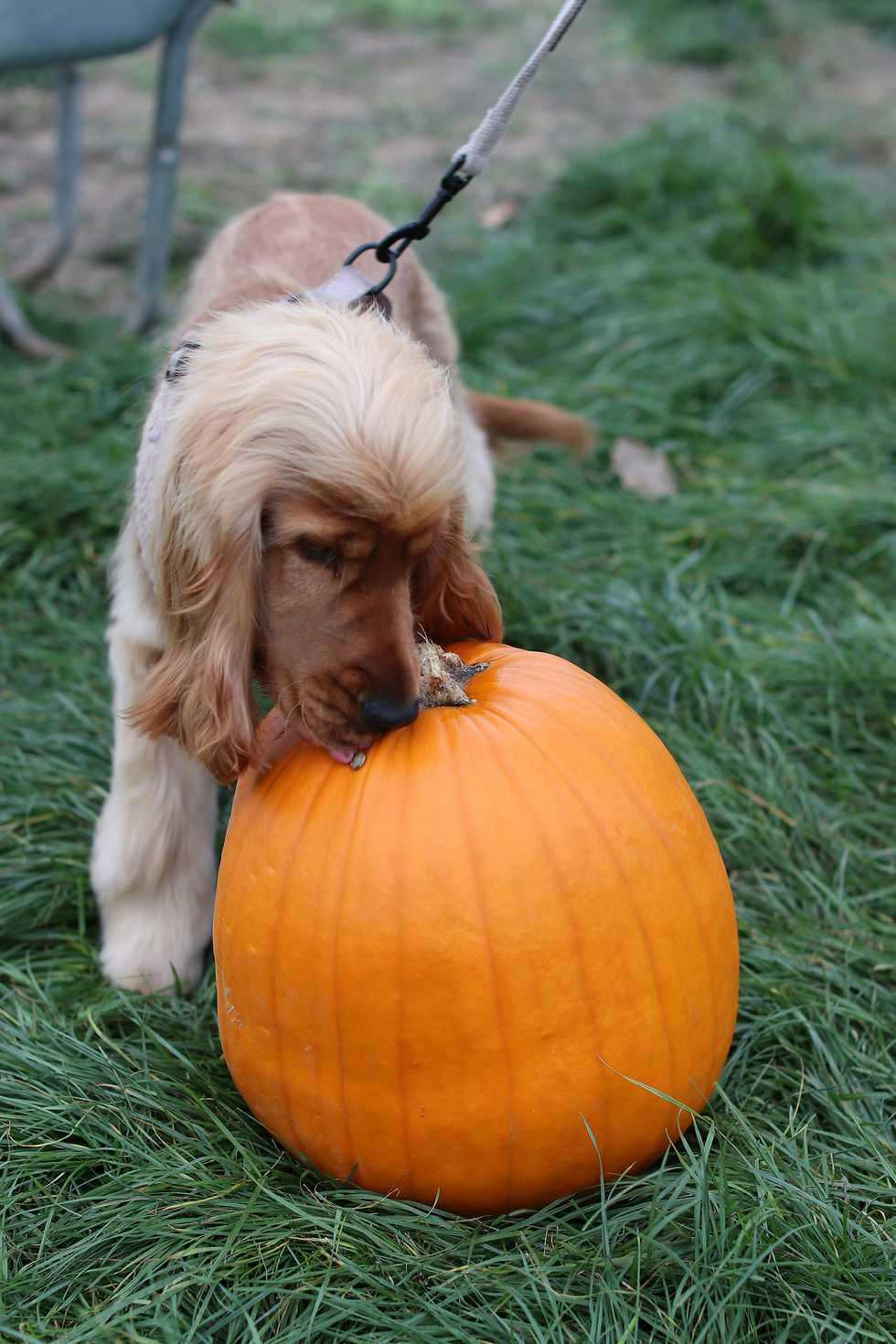
A reliable recall (coming when called) is one of the most important safety skills you can give your dog—especially in fall settings with lots of distractions. Whether you’re visiting a dog-friendly pumpkin patch, walking through a farm store, or exploring a fall festival, you want your dog to respond quickly when you call, even with kids, animals, and food around.
Core recall strategies for your fall training reset:
Make coming to you always worth it: Use high-value rewards—like favorite treats, praise, or a quick game—when your dog responds to their recall cue. The more exciting you are, the more likely your dog is to choose you over the environment.
Practice in layers of difficulty: Start indoors or in your yard, then work up to quiet parks, then busier spaces. At each level, call your dog only when you’re confident you can help them succeed; avoid letting them rehearse ignoring you.
Use a long line for safety: In open spaces, a long training line gives your dog room to move while still giving you control. This is a great tool for practicing recall in more realistic environments like fields or farm-style fall events.
Stick to one clear recall cue: Pick a specific word (like “here” or “come”) and reserve it for situations where you genuinely need your dog to respond. Avoid overusing their name without following it up with a clear cue and reward.
By practicing recall regularly in fall, your dog will be better prepared not just for seasonal outings, but also for the unpredictability of holiday guests, open doors, and busier routines.
Working on Impulse Control Around Squirrels (and Other Fall Distractions)
Fall is prime squirrel season, which makes it prime impulse control season for many dogs. Those quick movements and chattering sounds can flip a dog’s prey drive switch instantly, turning a peaceful walk into a tug-of-war. A fall training reset is the perfect time to focus specifically on impulse control.
Helpful impulse control exercises to build this skill:
“Watch me” or focus cue: Teach your dog to offer eye contact on cue. Start in a calm environment and reward heavily. Gradually ask for “watch me” when mild distractions are present, then work up to using it when a squirrel is at a distance.
Pattern games and predictable routines: Simple patterns like “take a few steps, sit, reward; repeat” help your dog stay mentally engaged with you instead of scanning for critters. Using this on squirrel-heavy routes makes it easier for your dog to choose calm behavior.
Controlled exposure to wildlife: If your dog fixates on squirrels, work at a distance where they notice but can still respond to cues. Reward calm behavior and responsiveness, and avoid getting close enough that they lose all self-control. Over time, you can close that distance as they improve.
Release cues: Teach a controlled “go sniff” or “break” cue so your dog learns there are appropriate times to explore and times to stay focused. This can reduce frustration and make it easier for them to work with you when you ask.
These impulse control skills around squirrels carry over into other situations, too: holiday guests walking through the door, dropped food, kids moving quickly, and more.
How Fall Training Helps You Prepare for the Holidays

One of the biggest benefits of a fall training reset is that it prepares your dog for the chaos of the holiday season. Instead of scrambling to manage barking, jumping, or door dashing when family arrives for Thanksgiving or winter gatherings, you can use fall to install and reinforce better habits.
Training now can help with:
Calmer greetings: Practicing polite door manners and place work in fall translates directly to better behavior when guests start visiting in November and December.
Settling around excitement: Teaching your dog to settle on a bed or mat while you cook, host, or decorate gives them a predictable “job” during holiday busyness.
Travel readiness: If you’ll be boarding your dog, traveling with them, or having them stay with friends or family, stronger obedience skills make transitions smoother and less stressful.
Managing changing schedules: Fall training helps your dog adjust to more structure after summer. That makes them more resilient when schedules shift again for holiday events or time off.
Think of fall as your “pre-season” for the holidays: the work you put in now pays off when things get hectic.
Frequently Asked Questions About Fall Dog Training
When should I start a fall training reset?
You can start anytime in early to mid-fall. As soon as the weather cools and your routine shifts from summer mode, it’s a great moment to add more structure—especially before holiday plans fill your calendar.
How often should I train my dog in the fall?
Short, consistent sessions work best. Aim for 5–15 minutes of focused training once or twice a day, plus real-life practice on walks, hikes, and outings. Daily consistency matters more than long, occasional sessions.
My dog pulls a lot—can that really improve before winter?
Yes, with consistent practice and clear rules, leash manners can improve significantly in a season. Using the fall months to focus on loose leash walking, attention, and calm behavior around distractions can make winter walks and next spring’s hikes much more enjoyable.
What if my dog is reactive or very anxious?
Fall is an excellent time to get structured help if your dog struggles with reactivity, fear, or anxiety. A professional trainer can create a customized plan, using the changing environment as controlled practice instead of overwhelming your dog.
Is recall training safe to practice outdoors?
Yes, as long as you set it up safely. Use enclosed areas or a long line and avoid off-leash situations where your dog could run into traffic, other animals, or unsafe environments. The goal is lots of successful repetitions under your control, not testing recall in risky ways.
Making the Most of Fall with Your Dog
A fall training reset isn’t about perfection; it’s about progress, consistency, and setting your dog up for success in the months ahead. By focusing on leash manners, recall, and impulse control around seasonal distractions, you build skills that will carry into winter walks, holiday gatherings, and everyday life.
Whether you’re exploring colorful trails, visiting a pumpkin patch, or simply enjoying cooler evening walks in your neighborhood, intentional training turns these moments into opportunities for your dog to learn and thrive. With the right focus this season, you and your dog can head into the holidays calmer, more connected, and better prepared for whatever comes next.


Comments